



Solving the NYT Wordle faster becomes easier when the mind follows the right approach instead of relying on random guesses. Many new players jump into the puzzle without understanding the small clues that guide every step of the game.
With the right techniques, every round becomes smoother and more predictable. The journey starts with strong opening choices, quick pattern recognition, and smart ways to filter out letters that do not belong.
These simple yet powerful methods transform the daily puzzle from a guessing game into a strategic challenge. This guide shares the best tips, practical methods, and confidence building steps that help beginners solve Wordle with greater speed and accuracy every single day.
Understanding NYT Wordle and How the Game Works
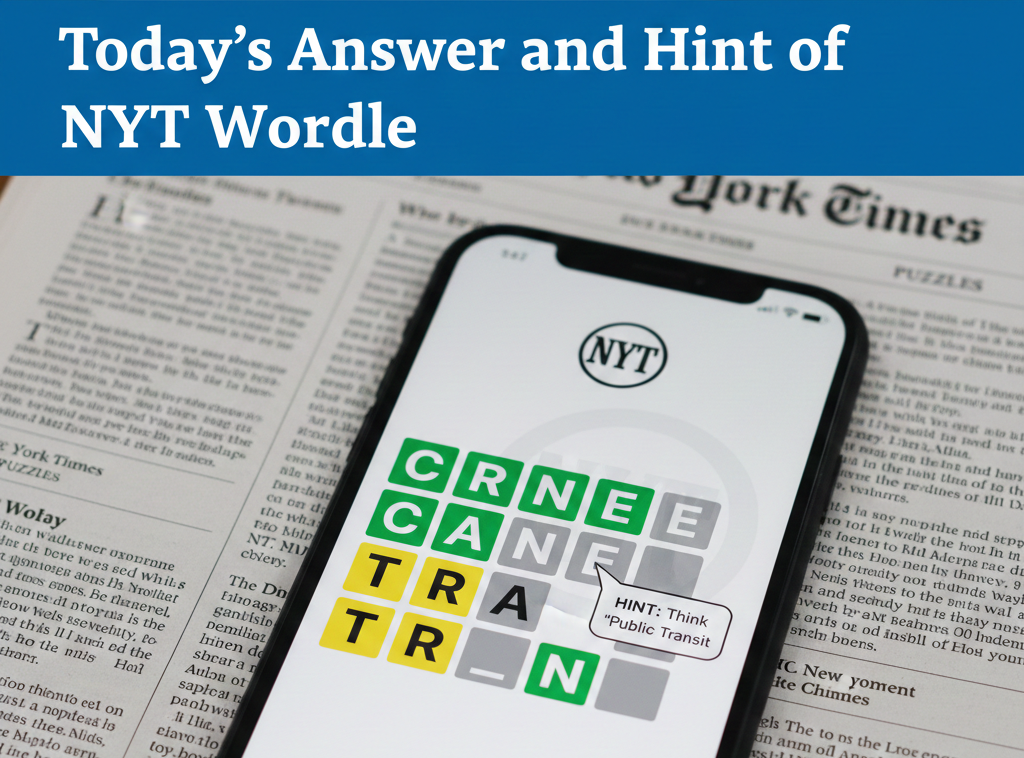
Understanding NYT Wordle sets the foundation for faster and more accurate solving. The game presents a simple challenge. Guess a five letter word in six attempts using color based clues to guide each step. Every guess reveals important information.
A green tile confirms the correct letter in the correct spot. A yellow tile shows a correct letter placed in the wrong position. A gray tile removes the letter entirely from consideration. These clues slowly narrow the puzzle until the final answer becomes clear.
The goal is to make every guess meaningful instead of wasting attempts. By learning how the clues interact with each other, players gain better control over their choices. This understanding becomes the first major step toward solving Wordle with greater speed, logic, and confidence.
The Most Common Beginner Mistakes That Slow the Game Down
Many beginners lose valuable attempts by repeating avoidable errors. These mistakes slow progress and make the puzzle far harder than it needs to be.
• Guessing random words without using any strategy
• Ignoring color clues and repeating letters that are already gray
• Using the same weak starting word in every round
• Forgetting to test new letter positions after seeing yellow tiles
• Overlooking common vowel patterns found in most Wordle solutions
• Rushing guesses instead of analyzing remaining possibilities
• Avoiding uncommon consonants even when the pattern clearly suggests them
• Wasting attempts by repeating letters that have already been confirmed
• Focusing only on vowels and ignoring strong consonant structure
• Not tracking eliminated letters and creating confusion in later attempts

Choosing the Best Starting Word for Faster Results
Choosing the best starting word plays a crucial role in solving Wordle faster. The first guess sets the tone for the entire puzzle, providing maximum information about vowels and common consonants. Words that contain a combination of frequently used letters increase the chances of revealing key clues early.
Effective starting words often include at least two vowels and high frequency consonants like S, T, R, N, or L. This approach helps eliminate unlikely letters quickly and narrows down possible solutions.
Rotating starting words instead of repeating the same choice each day improves overall speed and accuracy. Strategic selection of the opening guess ensures that every subsequent attempt is more focused, reducing wasted guesses and building a strong foundation for solving Wordle with confidence.
How to Read Color Clues Quickly and Use Them Effectively
Reading color clues quickly is essential for solving Wordle efficiently. Each color provides a clear signal that guides the next guess. Green tiles indicate the correct letter in the correct position, allowing players to lock it in for future attempts. Yellow tiles reveal correct letters in the wrong spot, signaling the need to reposition them strategically.
Gray tiles eliminate letters entirely, narrowing down possibilities. Observing these colors at a glance and acting on them immediately prevents wasted guesses. The key is to focus on patterns rather than individual letters. For example, when multiple yellow tiles appear, consider all possible positions before making the next guess.
Keeping track of eliminated letters reduces repetition and increases accuracy. Quick interpretation of these clues turns every guess into a powerful step toward the solution. Mastering color clues transforms Wordle from a game of chance into a strategic and fast puzzle-solving experience.
Mastering Word Patterns to Predict Answers Faster
Mastering word patterns is one of the most effective ways to solve Wordle faster. Recognizing how letters typically appear in English words allows players to make educated guesses instead of relying on trial and error. Patterns can include common prefixes, suffixes, and vowel-consonant arrangements that frequently appear in five-letter words.
For instance, endings like -ING, -ED, or starting combinations like ST- and TR- often recur. Observing these structures helps predict likely letter positions, especially after some clues are revealed. Tracking recurring letter combinations and avoiding impossible placements dramatically narrows down options.
Experienced players also notice which vowels are most likely in certain positions and which consonants often appear together. By internalizing these patterns, guesses become more strategic, reducing wasted attempts and boosting solving speed. Mastery of word patterns transforms Wordle into a game of logic and foresight, making each puzzle quicker and more predictable without sacrificing accuracy.
Smart Letter Elimination Strategies That Save Time
Using smart letter elimination strategies can save significant time in Wordle and make the game far more enjoyable. Every gray tile provides valuable information—eliminating letters that do not belong narrows possibilities instantly. Instead of guessing randomly, focus on testing letters that have not yet appeared.
When a yellow tile shows up, consider every possible position for that letter rather than placing it in a single spot. Group letters into likely combinations based on English word patterns to quickly discard unlikely choices. Writing down or mentally tracking eliminated letters prevents repeating mistakes and keeps guesses organized. Balancing between exploring new letters and confirming known ones turns each guess into a meaningful step toward the solution.
Applying these strategies consistently transforms Wordle into a smooth, problem-solving experience that feels satisfying and even addictive, allowing players to love the process while improving speed and accuracy every day.
Increasing Vocabulary to Improve Guess Accuracy
Increasing vocabulary is a game-changing strategy for improving Wordle guess accuracy. The broader the word knowledge, the faster players can identify correct solutions with fewer attempts. Familiarity with common five-letter words, unusual consonant blends, and vowel patterns makes every guess more strategic and less reliant on luck.
Reading regularly, exploring word lists, and practicing with daily Wordle puzzles gradually expand the mental database of potential answers. Recognizing synonyms, prefixes, and suffixes allows players to predict likely words even when only partial clues are revealed. This skill not only enhances accuracy but also builds confidence, reducing hesitation during guesses.
A strong vocabulary transforms Wordle from a simple guessing game into a precise, logical challenge where each attempt is calculated. Over time, improved word knowledge ensures faster solutions, fewer mistakes, and a more enjoyable, highly rewarding Wordle experience.

Practicing the Right Way to Build Consistent Speed
Practicing Wordle the right way is essential for building consistent solving speed. Random guessing does little to improve performance, while focused practice develops both logic and intuition. Start by analyzing past puzzles to identify recurring patterns, common starting words, and effective elimination strategies.
Time each session to track progress, but prioritize accuracy over speed in the early stages. Gradually, the brain learns to recognize letter combinations, color clue significance, and word structures instinctively. Mixing easy and challenging puzzles keeps the practice balanced and prevents plateauing. Reviewing mistakes after each game ensures lessons are retained and not repeated.
Consistent, thoughtful practice turns Wordle into a skill rather than a guessing game. Over time, solving becomes faster, more precise, and almost automatic, giving beginners a confident, enjoyable, and highly rewarding puzzle-solving experience every day.
Final Thoughts
Mastering NYT Wordle is less about luck and more about strategy, observation, and practice. By understanding the game mechanics, avoiding common mistakes, and using smart techniques like selecting strong starting words, reading color clues effectively, and eliminating letters strategically, solving becomes faster and more enjoyable.
Expanding vocabulary and recognizing word patterns further enhance accuracy, while consistent, focused practice builds lasting speed and confidence. Each puzzle then transforms from a guessing challenge into a satisfying exercise in logic and problem-solving.
With patience and dedication, beginners can quickly elevate their Wordle skills, making daily games both fun and rewarding. Applying these tips allows players to approach each puzzle with strategy, precision, and enjoyment, turning Wordle into a truly engaging and mentally stimulating experience.
FAQs
Use strong starting words, read color clues carefully, eliminate letters strategically, and recognize word patterns.
Expand vocabulary, practice daily, track eliminated letters, and focus on analyzing patterns rather than random guesses.
Yes, green confirms correct letters, yellow shows placement adjustments, and gray eliminates possibilities, guiding each guess efficiently.