



Understanding Wordle starts with a simple idea that turns into a global habit. Every morning millions of players open the game to challenge their mind with one secret five letter word. The concept looks small on the surface yet its impact is huge because it blends curiosity, focus, pattern recognition and the thrill of getting the correct answer within limited tries.
Wordle became popular because it delivers pure brain entertainment without distractions. No timers. No pressure. Only thoughtful guessing. Over time it became more than a game as people began sharing results, comparing daily scores and building their own routines around it.
The charm lies in how a single puzzle creates community, conversation and friendly competition. That combination is what keeps Wordle at the center of daily digital routines.
Understanding the Basics of NYT Worlde
The core idea of NYT Wordle is built around a daily five letter puzzle that refreshes every twenty four hours. Players get only six chances to discover the hidden word, which creates a balance of challenge and excitement.
Each guess gives clues through colored indicators that show whether a letter is in the correct position, present in the word or not included at all. This structure keeps the game simple yet highly engaging. It encourages clear thinking, pattern recognition and smart decision making without adding complicated features.
The New York Times manages the game and keeps its format clean so players enjoy a focused experience. The daily reset also adds a sense of routine as people return each day for a fresh puzzle. These basics form the foundation of Wordle, making it easy to learn and enjoyable for every type of player.
How to Play Wordle: A Step-by-Step Guide
Step 1 Understanding How Wordle Works
Wordle offers one secret five letter word each day. Players get six total attempts to find it. After every guess the game reveals clues through colored boxes that guide the next move. This simple structure keeps the puzzle clear even for new players.
Step 2 Making the First Guess
The first guess builds the foundation for the entire puzzle. A common five letter word with mixed vowels and consonants helps uncover the widest range of clues. It does not need to be correct. It only needs to reveal useful information.

Step 3 Reading the Color Clues
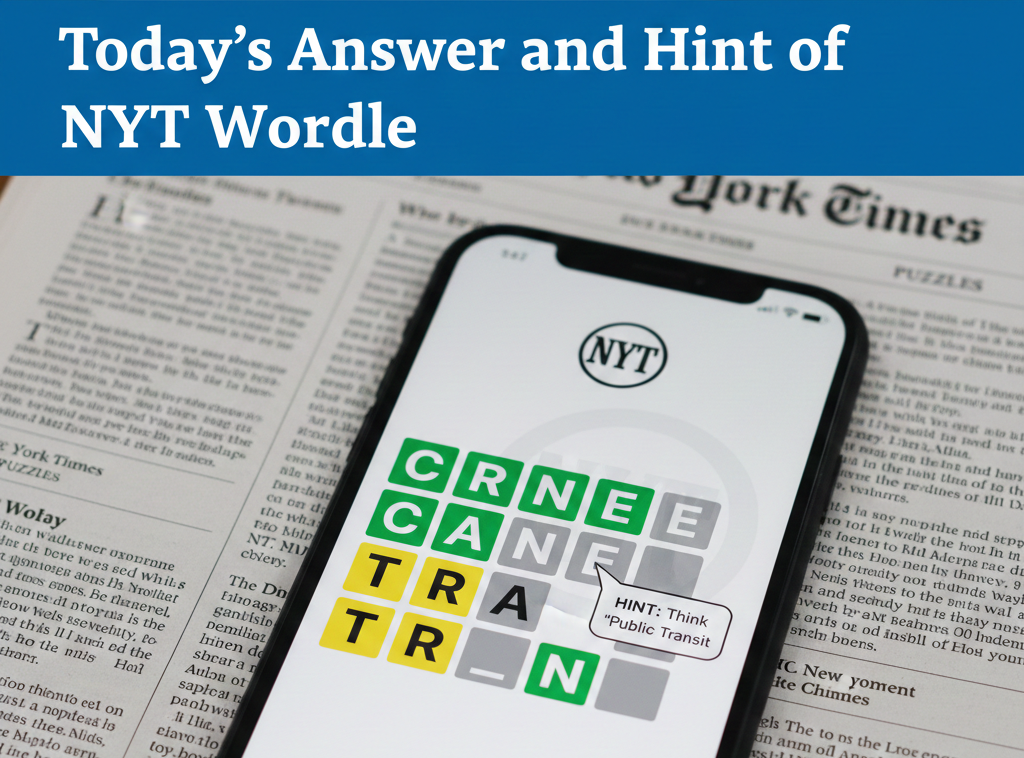
Every guess generates three types of clues. A green box means the letter is correct and placed properly. A yellow box means the letter exists but is in the wrong position. A gray box shows the letter does not appear in the solution. These signals shape the next move.
Step 4 Choosing Strong Starter Words
Starter words with popular vowels and balanced consonants give the safest beginning. This creates a broader understanding of available letters and reduces early confusion. A strong start increases the chance of solving the puzzle in fewer attempts.
Step 5 Narrowing Down Possibilities
Once a few clues appear, the focus shifts to pattern reading. Letters must be rearranged based on their colors. Gray letters should be avoided. Yellow letters need new positions. Green letters must stay fixed. This slow narrowing process leads toward the final answer.
Step 6 Avoiding Repeated Letter Mistakes
Repeating letters without reliable clues wastes attempts. Wordle may include double letters but it becomes clear only when the pattern suggests it. Careful observation prevents unnecessary guesses.
Step 7 Predicting the Final Word
In the final stages the mind compares all patterns, fixes likely positions and tests remaining options. At this point every guess has purpose. This final prediction step is where beginners start thinking like advanced players.
The Social Side of Wordle: Sharing and Competing
The rise of Wordle created a daily moment that people love to share with friends, family and online communities. After completing the puzzle players often post the familiar colored grid to show how many attempts it took to reach the correct answer.
This simple display encourages conversation without spoiling the solution for others. The social experience adds excitement because it turns a personal brain challenge into a friendly comparison. Groups compete to solve the puzzle in fewer tries, and these small victories become part of daily routines.
Sharing results also builds connection as everyone works on the same challenge at the same time. The sense of community motivates players to return each day because the puzzle is no longer just about solving a word. It becomes a shared habit that brings people together through light competition and fun communication.
Strategies for Success: Tips for Winning at Wordle
Winning at Wordle depends on how carefully clues are read and how wisely each guess is used. The game rewards calm thinking rather than fast decisions. Strong players begin with a balanced opening word that provides valuable information about vowels and consonants.
After the first guess the focus shifts toward understanding patterns and avoiding repeated mistakes. Each clue shapes the next move and slowly guides the puzzle toward the correct answer. Successful players do not chase random words.
They build a clear plan from the colors that appear after every guess. This structured approach turns the puzzle into a logical path that becomes sharper with practice.
Tips for Better Performance
● Start with a balanced word that includes common vowels and useful consonants.
● Use clues wisely and avoid ignoring yellow indicators.
● Do not repeat letters unless clues strongly support it.
● Eliminate gray letters immediately to reduce confusion.
● Fix green letters in place and build new words around them.
● Study daily patterns to understand common letter positions.
● Stay patient and avoid rushing through guesses.
● Practice regularly to build stronger pattern recognition.
Exploring Wordle Variations and Spin-Offs
The success of Wordle opened the door for many creative variations that bring fresh challenges while keeping the familiar five letter puzzle spirit alive. These versions appeal to players who want new formats or a more intense difficulty level.
One popular category is Number Based Wordle Games that replace letters with digits, turning the puzzle into a logic and math challenge. Another widely enjoyed option is Music Themed Wordle Games where players guess songs based on short audio clips. Puzzle fans also explore Geography Based Wordle Variations that focus on identifying countries through clues about distance and direction.
For players who enjoy faster modes, Unlimited Wordle Versions provide endless puzzles without daily limits. Those who prefer deeper language challenges try Hard Mode Spin Offs, which force every clue to be used in the next guess. The creative community also supports Multilingual Wordle Games, allowing people to practice different languages while solving puzzles.
Visual learners often enjoy Emoji Based Wordle Variations, which use icons instead of letters to create a new style of reasoning. These spin offs keep the spirit of Wordle alive while offering enough variety to match the interests of every type of player.
Common Mistakes to Avoid When Playing Wordle
● Ignoring the first clue set
Many players jump to new guesses without fully reading the colors from the first attempt. This wastes early chances and weakens the overall strategy.
● Repeating letters too early
Placing the same letter again without strong clues often leads to unnecessary failures. Double letters should only be considered when patterns clearly support them.
● Using random guesses
Guessing without logic breaks the flow of the puzzle. Wordle rewards careful choices that follow the color signals rather than guesses based on luck.
● Forgetting to eliminate gray letters
Gray letters confirm what should never be used again. Keeping them in later guesses limits progress and increases confusion.
● Misplacing yellow letters
Some players move yellow letters randomly instead of testing smart positions. Yellow clues are powerful when used methodically.
● Changing green letters
When a letter turns green it belongs in that exact spot. Moving it again harms the structure of the puzzle and slows down solving time.
● Using rare words too soon
Uncommon words should be saved for the final attempts. Early guesses work best with common letter patterns and familiar vocabulary.
● Rushing through the puzzle
Wordle rewards patience. Fast decisions often miss simple patterns that could lead directly to the answer.

Digital Tools and Resources to Enhance Your Wordle Experience
Wordle Solver Websites
These online tools help players find possible word solutions based on the letters already guessed. They are perfect for beginners or for learning strategies faster.
Word List Generators
Generators provide lists of five letter words to practice with offline. They improve vocabulary and give extra practice without relying on the daily puzzle.
Mobile Apps and Spin-Offs
Apps with Wordle variations let players try unlimited puzzles, play in different languages, or explore themed versions like numbers or geography. They keep the experience fresh and engaging.
Browser Extensions
Extensions track past games, give hints, or allow unlimited tries. They help players analyze their strategies and improve faster.
Online Communities and Forums
Platforms like Reddit or Discord host discussion threads where players share tips, strategies, and challenges. Engaging with others adds a social and competitive dimension.
Daily Puzzle Trackers
These tools help log scores, track streaks, and measure improvement over time. They motivate players to maintain consistency and refine guessing techniques.
Final Words
Wordle is more than just a simple daily puzzle. It combines logic, strategy, and pattern recognition into a game that is easy to start but challenging to master. Whether playing for fun, sharing results with friends, or competing in online communities, the game offers a unique balance of entertainment and mental exercise.
Success comes from careful observation, smart guessing, and learning from past patterns. Exploring Wordle variations, digital tools, and spin-offs can further enhance the experience and keep the game engaging for every level of player. With consistent practice, patience, and strategy, anyone can improve, enjoy the challenge, and become a skilled Wordle player. The daily puzzle is a small but powerful way to sharpen the mind.
FAQs
Yes, there are free alternatives, clone sites, and apps that let you play Wordle without needing a New York Times subscription.
Green means the letter is correct and in the right position, yellow means the letter is in the word but in the wrong spot, gray means the letter is not in the word.
Use strong starter words, analyze clues carefully, avoid repeating letters unnecessarily, and practice regularly to sharpen guessing skills.
Yes, there are number, emoji, language, music, and hard mode spin-offs that offer unique challenges while keeping the Wordle style intact.